
Small-sized reviews, raves, and recommendations.
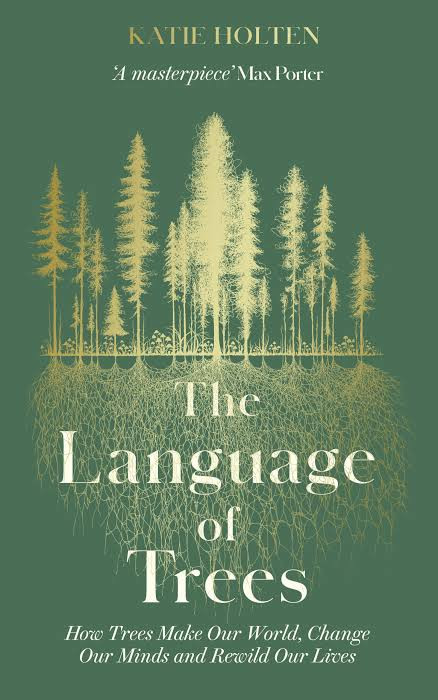
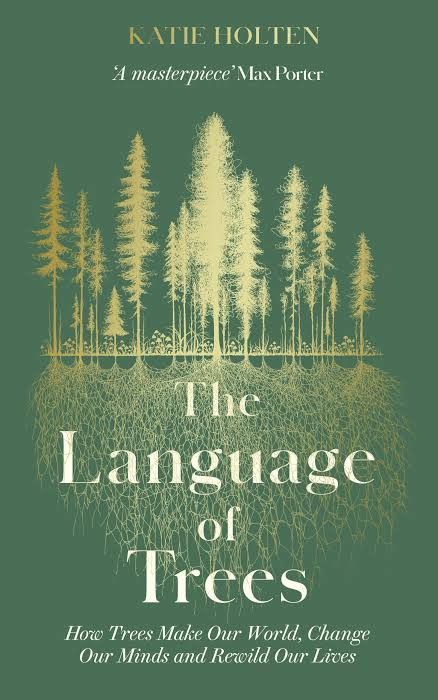
Song lyrics, poetry, policy, botany, and history. These and so much more encompass the offerings in The Language of Trees: How Trees Make Our World, Change Our Minds, and Rewild Our Lives, by Katie Holten. On a superficial level, The Language of Trees is a compendious, generous, and variegated collection of essays. Interspersed with Holten’s artwork, the hardcover edition can also be seen as a sort of literary ark; anthology as vehicle of intellectual preservation. Holten brings together experts, enthusiasts, and witnesses within the purview of their own passion and love for trees. At once exhilarating and exasperating, The Language of Trees has the numerous authors offering advice and appreciation for and about trees. The collection’s variety and assortment provide multiple means of reading. Either read straight through or picked at random, one can bounce from topic to topic or hunt down essays with similar themes, obsessions, genres, etc.
The essays can infuriate or entrance by turns. Due to the inevitable mention of climate change / crisis / emergency, the encomiums to our vanishing ecosystems can grow tiresome and irritating. But I’m sure the captain of the Titanic grew weary of that one guy shouting “Iceberg!” Conversely, one shouldn’t be wooed by the stubborn contrarian climate change denialist frogs in the stockpot telling us, “C’mon in. The water’s fine.” Nah, I’m good. On a personal level, this reviewer would classify themselves as “light green,” in terms of pro-environmental zealotry. Yet on another personal level, one would be remiss to deny the importance of trees and their function in a working ecosystem. No tree-hugger here, but, this reviewer considers it in their own self-interest to preserve trees and the environment. Not necessarily out of some sentimental aesthetic attitude – although who can deny the beauty of the wilderness and other green spaces – this desire to preserve trees comes out of one’s own blatant self-interest. I like to breathe. And to breathe fresh air, all the better. Without trees, and by extension to the marine realm, kelp, the world will have no natural engine to convert carbon dioxide into oxygen.
Holten states it best in her Afterword to the collection: “The Language of Trees is an archive of human knowledge filtered through many branches of thought. I hope the book takes readers on a journey – from prehistoric cave paintings to creation myths, from Tree Clocks in Mongolia and forest fragments in the Amazon to Emerson’s language of fossil poetry, from Eduardo Kohn’s anthropology beyond the human to Robin Wall Kimmerer’s call for a new grammar of animacy – unearthing a grove of beautiful stories along the way.” This archive is something to treasure, on both an intellectual and material level. Holten is also self-conscious of any potential calls of hypocrisy, since this book all about trees is a product of these very same trees. It is a handsomely produced volume and a beautiful material object. (Although, as a product of corporate publishing, there also exists an eBook edition. As with Sony and its ill-fated decision to stop producing CDs for its gaming wing, the backlash for the production of physical media comes from a place of real emotional passion.) This is a piece of physical media to be treasured.


