Small-sized reviews, raves, and recommendations.
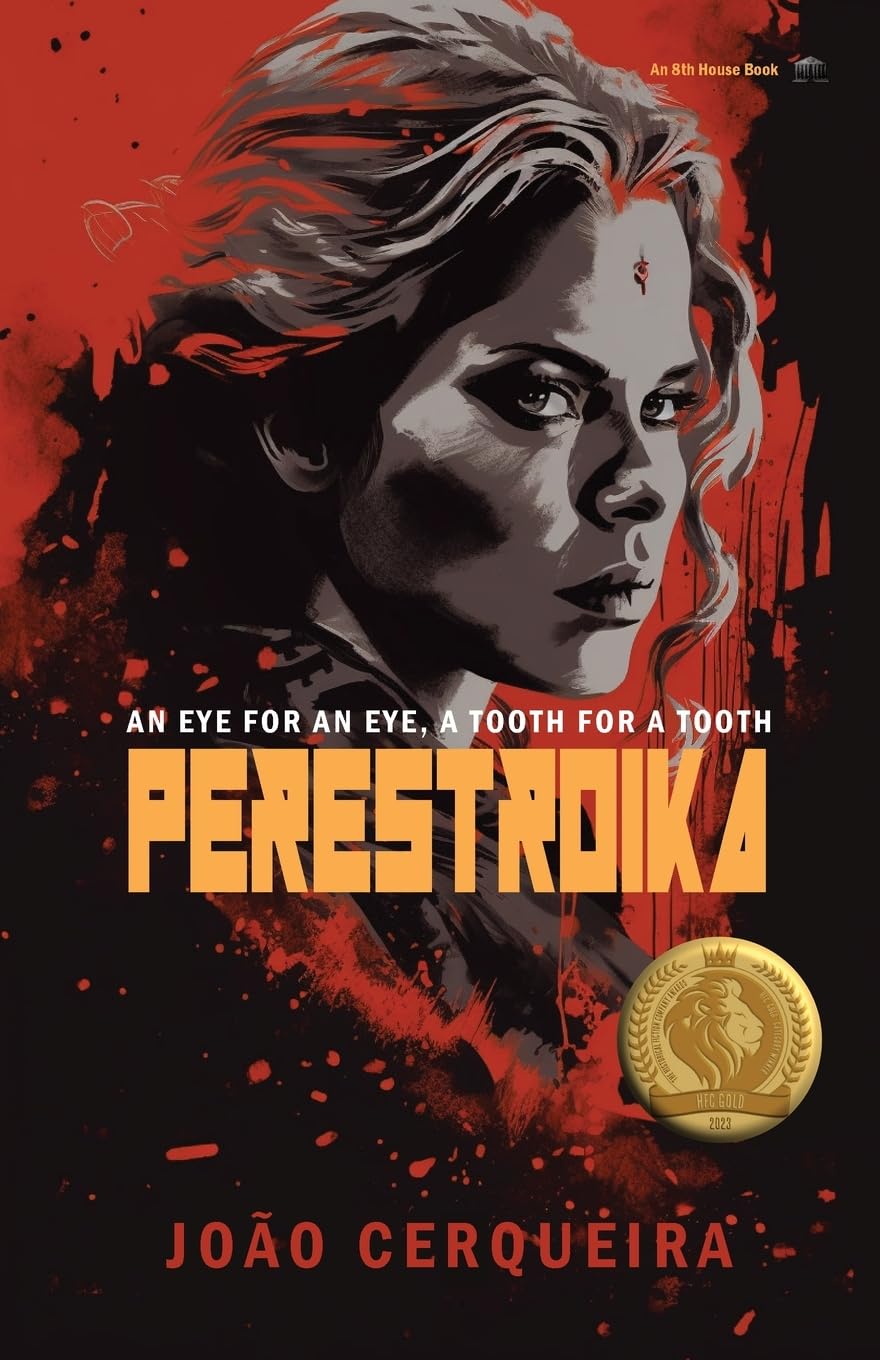
In the fictional nation of Slavia, during the Cold War, Alfred Ionescu rules with an iron fist. He has imprisoned Ludwig Kirchner as an enemy of the people. Years later, following the collapse of the Iron Curtain, his daughter Lia seeks to find the truth about what happened to him. In the ensuing chaos of Ionescu’s government collapsing, a mobster and former prisoner named Ivan Fiorov gets elected president. (Not too far-fetched a scenario, especially given current events where the United States elected a convicted felon, traitor, pedophile, and rapist.)
The political nature of Perestroika make it a novel relevant for our times. A time where fake religiosity and fake patriotism can wipe away any past crime (and pave the way for committing more crimes). Unfortunately, I didn’t find it that compelling a narrative. While I appreciated its exposing the fault lines and frailties of Soviet-style communism and post-Soviet free market capitalism, the characters didn’t rise above that of ideological mouth-pieces. They seemed less subjects of the situation they had to overcome than objects given to ideological monologuing. It didn’t work for me. That said, this book would work as a teaching tool either in a high school or undergraduate history class. Because the shortcomings of both communism, capitalism, and democracy need to be taught. Communism’s ossified sterility offers no respite in the same way capitalism’s free choice and market excess really only benefits those at the time. Both systems can be rigged to keep the corrupt in power. The greatest advantage of democracy is that anyone can be elected. The biggest threat to democracy is that anyone can be elected. Perestroika is a powerful fable about the liberating nature of art and the desire for representative democracy. It is dulled by endless monologuing by cardboard characters.

 The Driftless Area Review
