
Small-sized reviews, raves, and recommendations.
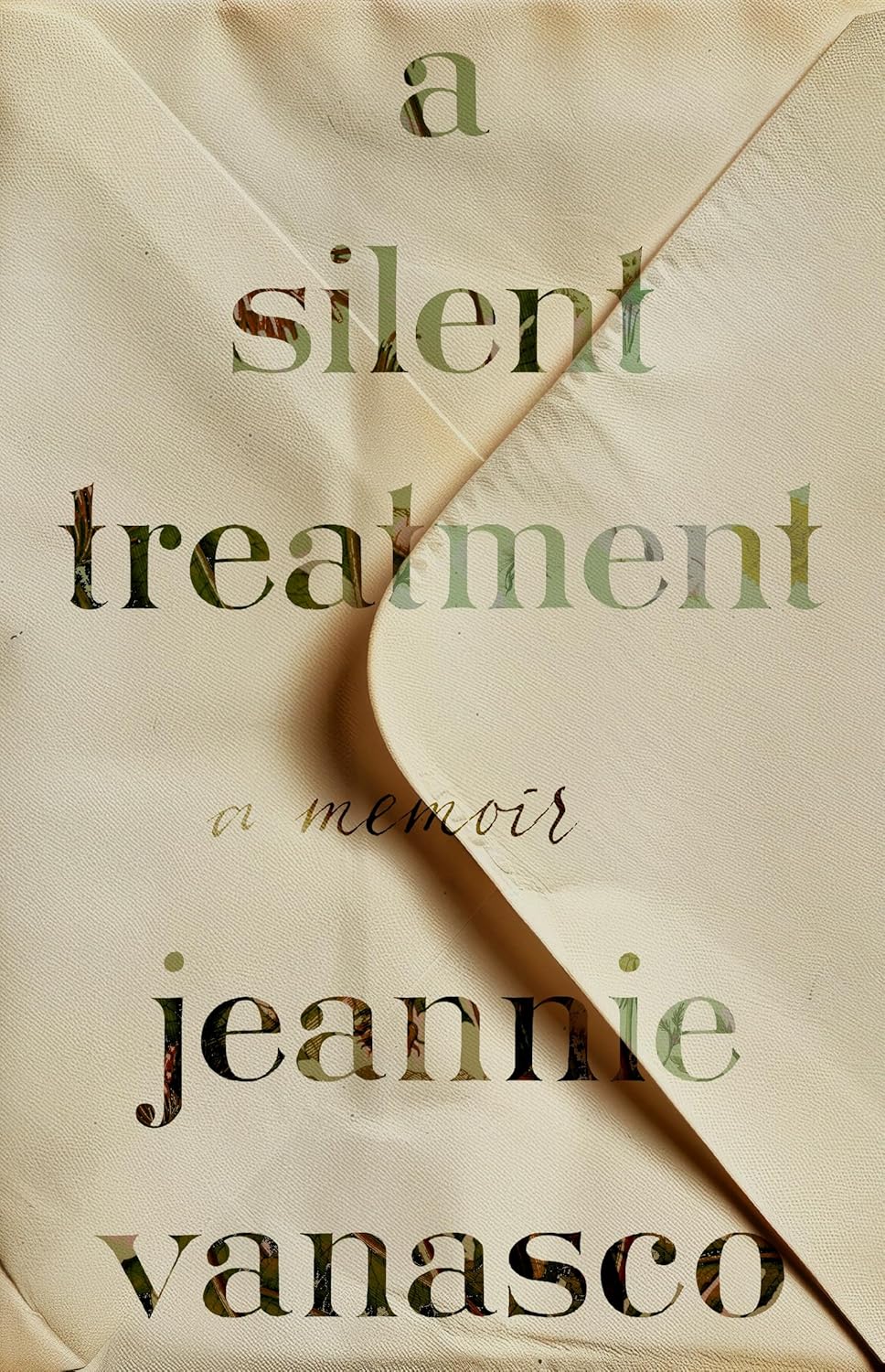
Multi-generational abuse, psychological trauma, organized crime, and mistaken identity make up the various parts of A Silent Treatment: a memoir, by Jeannie Vanasco. Born and raised in Ohio, Vanasco is an associate professor of English at Towson University. The memoir chronicles, in its own idiosyncratic way, Jeannie’s struggles with her mother. When her mother moves in with her, Jeannie becomes victim of her mother’s “silent treatment.” What starts as something to endure for days and weeks stretches into months. This provokes a search for the cause of and resolution to this silent treatment. Internet searches and discussions with colleagues, friends, and her husband, becomes expanded into asking the Google Home app for advice.
A Silent Treatment offers a ruthless portrayal of trauma and self-sabotage. It explores a family in emotional and psychological turmoil. At the same time, it dissects the memoir-making process. We see “how the sausage is made.” In many ways, what A Silent Treatment is is a kind of anti-memoir. Snippets of dialogue get jumbled together with lists and fragments of interior monologue. Divided into vague chronologies (“Today,” “The Next Day,” etc.), it reveals the arbitrary nature of everyday life. A desperate attempt to give order to emotional chaos.
A Silent Treatment is a fascinating literary object. It is both a highly-charged personal memoir. It is also an interesting exploration on the mechanics of how a memoir is written. Yet it feels neither like an emotionally manipulative treatment of the subject matter nor a clinical exercise in literary experimentation. In the end, it is Jeannie’s attempt to make sense of her life.

 The Driftless Area Review