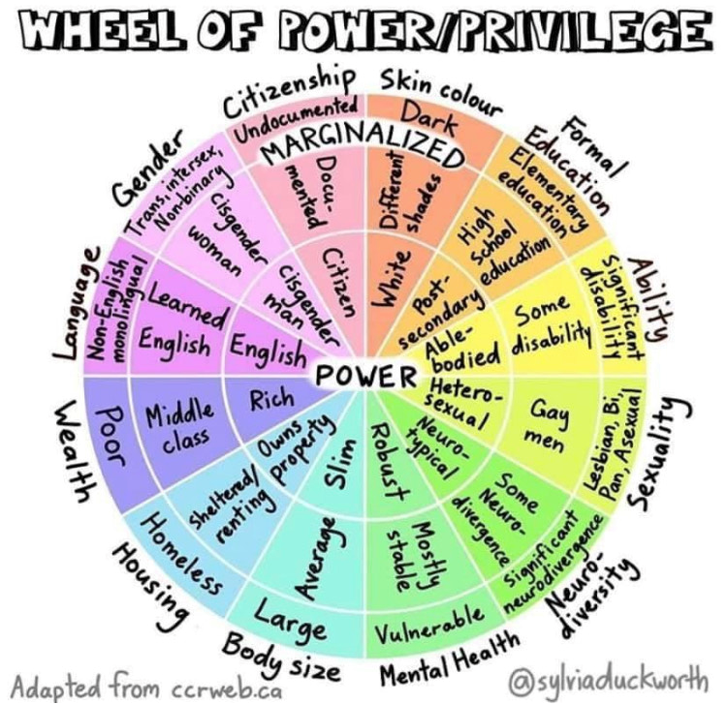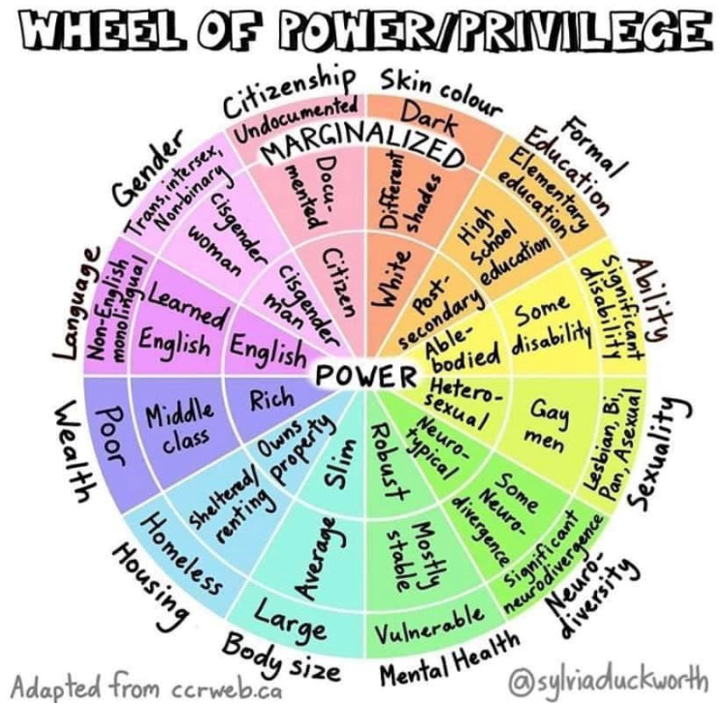
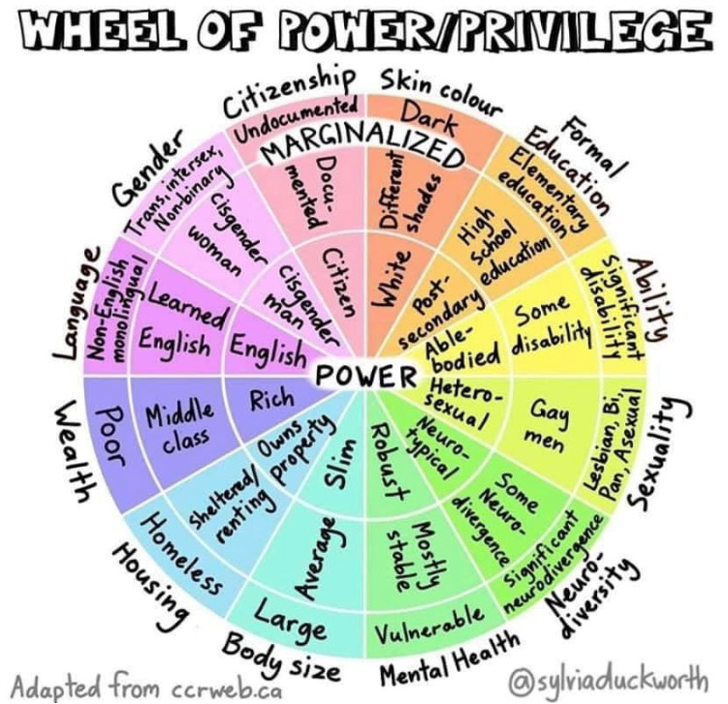
Adventures in Intersectionality will be a new occasional series that focuses on intersectionality in literature. A relativity new phenomenon in academia, intersectionality is defined as “A concept that explores how different aspects of an individual’s identity – such as race, ethnicity, sexual orientation, gender, gender identity, age, and class – create intersecting systems of discrimination and oppression.” (This definition coming from the glossary in The LGBTQ+ History Book, edited by Michael Bronski et al, 2021.) Intersectionality is also a matter of perspective. As I will explain in the second part of this essay, I’m approaching this series from a non-academic perspective. Furthermore, my perspective and life experiences are radically different from the authors I will examine.
But that isn’t a bad thing, unless people make it one. My perspective and experiences are different, not better, an important distinction. It is very easy to conflate the two, especially given the divisive, hateful, stupid, and reactionary political era we are enduring. The hyper-mediated reality we live in also makes it difficult to make granular distinctions and put forward controversial opinions. It is incredibly easy with social media to take something the wrong way (either intentionally or unintentionally), blow it out of proportion, and then attach the latest “scare word” to it. “DEI” as a cultural evil is the latest manufactured controversy to spew from the hydra-headed MAGA dipshittery aggregator. But let’s not go down that toxic rabbit hole. Life is too short to feed the trolls and their frail masculinity, frail whiteness, and robust gullibility.
This essay series falls in line with my personal philosophical ethos as a reviewer. I’m an advocate of the “both/and,” embracing a kind of ecumenical promiscuity. While categories and genres are important, I’m not overly bound by them. I gravitate towards the weird, the strange, the odd, and the fluid and the fabulous. Normal is a trap. It’s also boring.

 The Driftless Area Review