Small-sized reviews, raves, and recommendations.
“Mongo on pawn … in game of life.” – Blazing Saddles (Mel Brooks, 1974)
In the eighteenth century a rumor swept through England that a woman was giving birth to rabbits. The woman was named Mary Toft, who lived in extreme poverty in rural England. The lowest of the low, she eked by, teetering on the edge of starvation. One day Mary and her sister worked in the fields and almost caught a rabbit. But even if they did catch a rabbit and have it for dinner, it would be considered poaching and they would face the consequences of stealing from an aristocrat’s property.
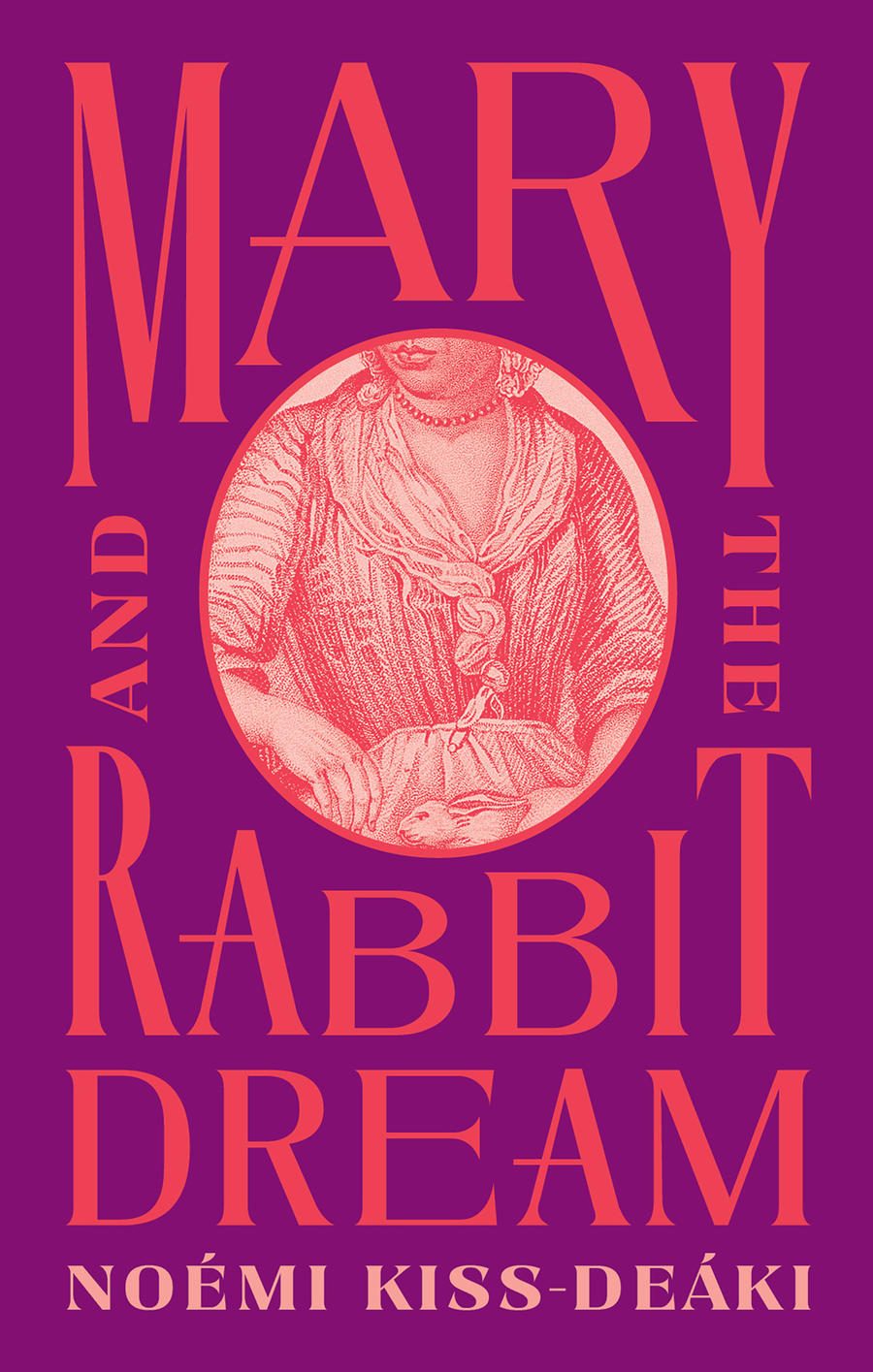
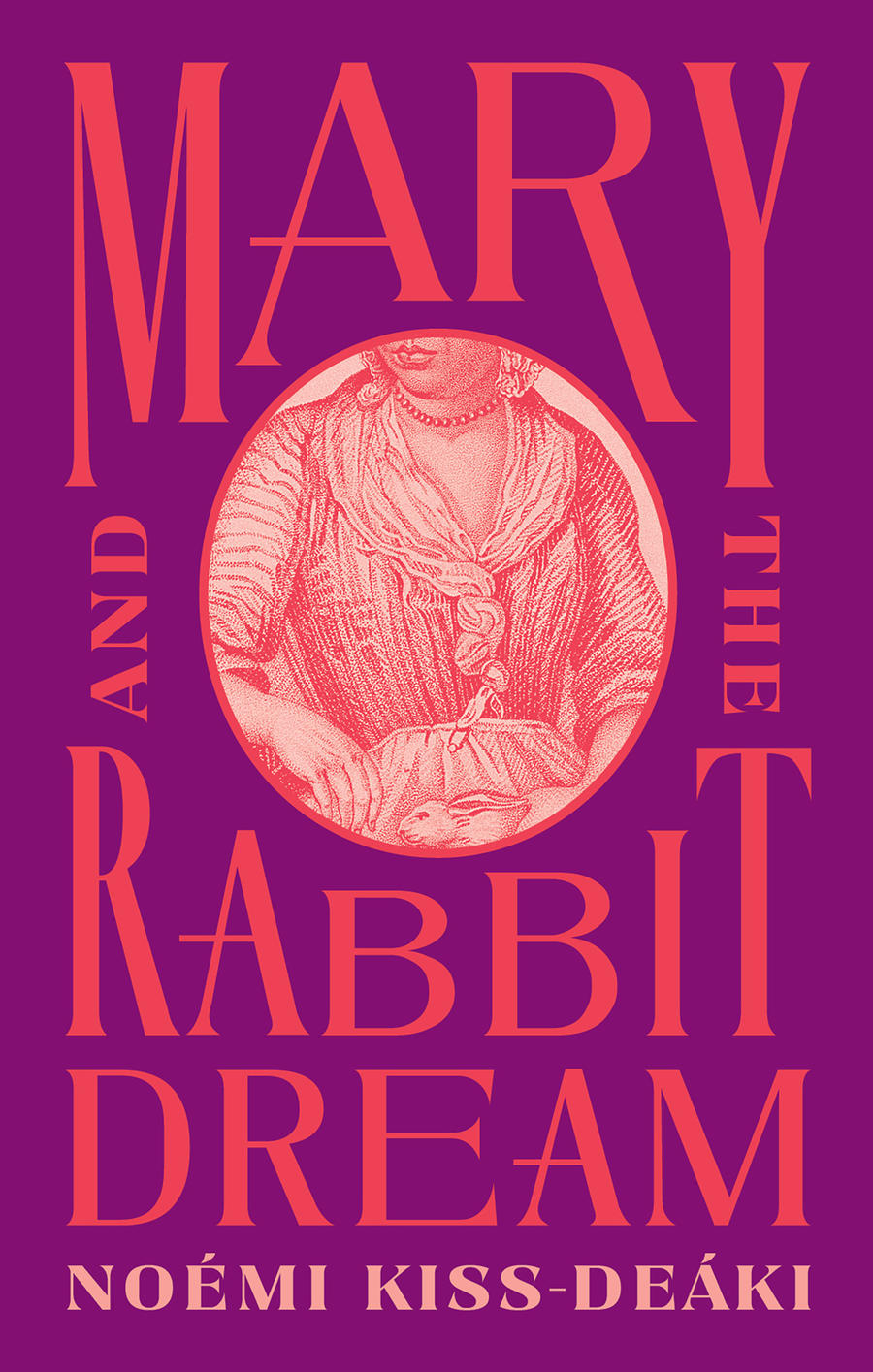
To “stick it to The Man,” a friend of Mary’s decides upon a scheme. They would concoct a fraud whereby it would be claimed that Mary is giving birth to rabbits. Although based on real events, since there was in fact a real Mary Toft, Mary and the Rabbit Dream, by Noémi Kiss-Deáki presents a fictionalized version of events. Set in the early eighteenth century, the folk mythos of “maternal impression” is still alive in thriving both among the common folk and the medical community. As Kiss-Deáki explains, the now-mainstream, evidence-based, scientifically-minded medical establishment had yet to crystallize into its definitive form.
As the story progresses, Mary first becomes a community phenomenon but soon catapults the London scene, poked and prodded by scientists and doctors, even becoming an issue for the King. Kiss-Deáki captures this story in deceptively simple prose. Written in an endless litany of declarative statements, it reads like a child’s primer. If one has read the Dick and Jane books, this should sound familiar.
“Physicians in the eighteenth century could be men of many talents. They could be men that had educated themselves in all sorts of ways.
“St André was one of those men. He had lots of time for leisure. He had lots of time to educate himself and read books on matters that interested him.
“And because of this he can, quite confidently, determine that was he just saw Mary Toft give birth to is the skinned torso of a rabbit, that its heart and lungs were intact and that the lungs are a darker shade than on any other ordinary rabbit, suggesting this is no ordinary rabbit.
“He can also confidently determine that it is the torso of a rabbit around two months old.
“A baby rabbit.
“St André stares at Mary Toft.
“He has a feeling.”
The simplicity of the prose adds an authoritativeness, bringing up associations with elementary school primers and scientific texts. We are lulled into St André’s credulous pretensions. Despite Mary’s impoverished existence and her use as a pawn in the fame-seeking shenanigans of the men around her, her case would ruin the careers of quacks and doctors alike. She would eventually face prison time and an ignominious death, yet her legacy lives on, both as a freakish curiosity and as an exposé of the many cruelties of eighteenth century England.
Mary and the Rabbit Dream is a short novel, a psychodrama illustrating a tabloid press run amok, and body horror as farce.

 The Driftless Area Review