
When Presidents Lie: a history of official deception and its consequences, by Eric Alterman
Liar, liar, pants on fire. Continue reading When Presidents Lie: a history of official deception and its consequences, by Eric Alterman
Liar, liar, pants on fire. Continue reading When Presidents Lie: a history of official deception and its consequences, by Eric Alterman

This week I continue my American Odd essay series with a look at Conspiranoia!: the Mother of All Conspiracy Theories, by Devon Jackson. It’s the essay the UFO nazi Bilderbergers don’t want you to read … or do they? Continue reading American Odd: Conspiranoia!: the Mother of All Conspiracy Theories, by Devon Jackson

In Harold and Jack: The Remarkable Friendship of Prime Minister Macmillan and President Kennedy Christopher Sandford “expertly uses historical and archival material to make Kennedy’s and Macmillan’s Special Relationship come to life.” Continue reading Harold and Jack: The Remarkable Friendship of Prime Minister Macmillan and President Kennedy, by Christopher Sandford @ NYJB
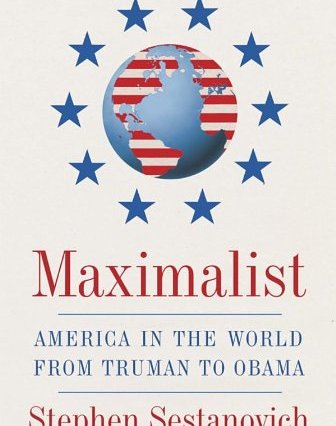
“Maximalist is a highly readable account of American engagement during the Cold War and the War on Terror. It provides a commonsense means to assess American military and diplomatic policy without the fog of political rhetoric.” Continue reading Maximalist, by Stephen Sestanovich @ NYJB
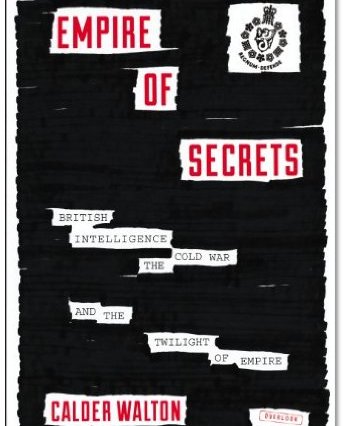
Over at the New York Journal of Books, I review Calder Walton’s fascinating Empire of Secrets: British Intelligence, the Cold War, and the Twilight of Empire, all about the UK’s precarious position and its nefarious intelligence practices during the Cold War. Continue reading Empire of Secrets: British Intelligence, the Cold War, and the Twilight of Empire, by Calder Walton @ NYJB

Tears of a Courtier Political memoirs are works of self-justification. In the case of Henry Kissinger, he packages these self-justifications in the first volume of his memoirs, White House Years (1979). As a major partner with President Richard Nixon, Kissinger, working as the Assistant to the President for National Security Affairs (more commonly referred to as the National Security Advisor), he followed Nixon’s wishes to direct the nation’s foreign policy from the White House. Kissinger transformed himself from a Harvard academic to a diplomat engineering international relationships (political and military) of world-historical importance. During this period, Nixon and Kissinger could … Continue reading White House Years (1979) by Henry Kissinger
 The Driftless Area Review